Rust solo survival in 2026
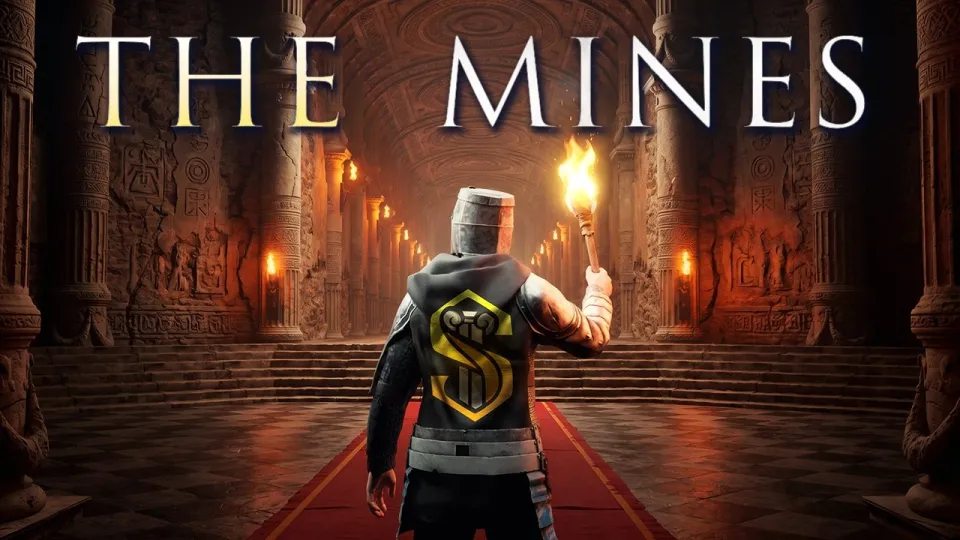
Video: I Survived in an ANCIENT FORTIFIED god rock base in Rust..
Want articles like this for your own video to promote it on YouTube and Google? Order them through the Telegram bot @sat_sit_bot. The bot writes and publishes the articles itself (with your YouTube video embedded) on popular topical websites (no ads). Try it free: 50 articles on us.
· based on the channel Solutize
Rust is a survival game where a solo player on a high-population server has to turn the map itself into a teammate, and one of the most reliable ways to do that in 2026 is a fortified god rock base — a build that uses a large rock formation as a natural wall, roof or floor so the base needs far less honeycomb to protect the same loot. Solutize's solo wipe on a server with 1000 players is a working example of that approach: pick a rock, wall it in, stay quiet, and outlast the clans. You can watch the recording sessions live on Solutize's Twitch channel, where the raw gameplay behind these edited videos is streamed.
What a god rock base actually is in Rust
A god rock base is a player-built structure that incorporates a large rock formation into its walls, ceiling or foundation, so the rock itself absorbs part of the defense budget. The rock cannot be destroyed by raiders, which means the sides it covers need no armored walls, no extra doors and no honeycomb behind them. On a vanilla map the practical effect is that a base with the footprint of a small 2x2 can hold loot like a much larger compound, because the rock replaces several layers of protection that would otherwise cost thousands of stone, wood and metal fragments. The trade-off is placement: god rocks sit in fixed spots, often in the open or near monuments, so the location is chosen for you and every other player on the server can see the same rock on the same seed.
Why a 1000-player server changes the solo rules
On a server with 1000 players, the map is saturated and every resource node, monument and road is contested, so a solo player cannot win a straight fight for space. Solutize's approach in this wipe is strategic rather than aggressive: find a rock that is defensible but not obviously valuable, build fast during low-traffic hours, and avoid drawing attention with huge external walls or loud raids. Numbers matter here — a 1000-slot server means dozens of groups competing for the same monuments, and a solo base that looks like an easy raid target will be tested within the first days of the wipe. A god rock build helps because the finished structure looks smaller and less rewarding from the outside than a conventional compound of the same value.
Step-by-step: building the fortified rock base
- Scout the rock before committing. Check that the formation has at least two usable flat faces for walls and enough ground clearance for a foundation and a doorway.
- Place the tool cupboard first, inside the rock's protected pocket, so the build cannot be blocked by another player's cupboard radius.
- Wall the open sides with stone, then upgrade the outer layer to sheet metal or armored as materials allow; the rock sides need no upgrade at all.
- Keep the loot room deep and offset — never directly behind the first door — and use a second, separate entrance for farming trips so the main door stays closed.
- Add a small shooting floor or window only if the rock gives you a height advantage; on a crowded server, visibility cuts both ways.
- Stock the base in stages: tools and a starter kit first, then guns and explosives once the wipe stabilizes and the neighbors have revealed their habits.
Surviving the first days without a team
Solo survival in Rust is mostly a scheduling problem. Farm early in the morning or late at night when the server population dips, run monuments with short, repeatable routes, and bank loot instead of carrying it. Recycling at outpost or bandit camp converts junk into scrap without exposing you to the road, and scrap is what buys the blueprints that make a solo player dangerous. Keep the base's exterior boring: no bright doors, no decorative signs, no towers that advertise a stash. When a group does knock, the goal is not to win the fight but to make the raid expensive enough that the attackers move on to a softer target.
Questions solo players ask before trying this
Viewers of solo wipes usually want to know whether a god rock base is worth it without a team, and the honest answer is that it depends on the rock. A formation that covers two full walls saves more than a solo player could farm in a day, while a shallow rock that only hides one corner is barely better than a normal base. The second common doubt is time: a fortified rock build on a busy server takes several sessions, so it pays to start with a cheap wooden shell and upgrade in place rather than waiting for perfect materials. The third is visibility — players worry that a well-known god rock is a known raid target, which is true, so the best spots are the ones that look unremarkable from the road.
Where to find Solutize's other Rust content
All the links from the video are collected here for convenience:
- Live streams and recording sessions: https://www.twitch.tv/solutized
- Community Discord for the channel: https://discord.gg/57vX6Yvga6
- Second Discord invite listed in the video: https://discord.gg/F9kEQWZjnd
Conclusion
A fortified god rock base is one of the few solo strategies in Rust that scales with the map instead of with your farming hours, and Solutize's 1000-player solo wipe shows how it works in practice: pick the rock carefully, build quietly, upgrade in stages and treat every fight as optional. The rock does the heavy lifting on defense, which frees a solo player to spend time on blueprints, monuments and the slow accumulation of gear that decides a wipe. If you want to see the unedited process, follow the action live on Solutize's Twitch stream and catch the next weekly video on the Solutize channel.
Key takeaways
- Solutize plays a solo Rust wipe on a server with 1000 players, where group clans dominate the map.
- The base is an ancient-looking fortified god rock build, using a rock formation as a natural wall and roof.
- God rocks work because the rock blocks one or more sides, cutting the honeycomb needed to protect the loot.
- Solo survival on a high-pop server depends on base location, low profile and staggered farming rather than PvP.
- Solutize streams the recording process live on Twitch and publishes weekly edited Rust videos.
Questions & answers
Is a god rock base good for a solo player in Rust?
Yes, if the rock covers at least two sides of the structure. The rock cannot be destroyed, so it replaces honeycomb and armored walls that a solo player would otherwise have to farm. A shallow rock that hides only one corner saves too little to be worth the fixed location.
How long does it take to build a fortified rock base alone?
Expect several play sessions on a busy server. Most solos start with a cheap wooden or stone shell in the first hours, place the tool cupboard inside the rock pocket, then upgrade the exposed sides to sheet metal or armored over the following days as materials come in.
How do you avoid getting raided as a solo on a high-pop server?
Keep the exterior unremarkable, avoid large external walls and towers, and bank loot instead of carrying it. Farm during low-population hours, use short monument routes, and make the base expensive enough that groups prefer easier targets nearby.
What should a solo player farm first on a 1000-player server?
Scrap and basic blueprints come first, because they unlock the tools and weapons that make every later farm faster. Recycle at outpost or bandit camp, keep a starter kit in the base, and only move to guns and explosives once the wipe has settled and neighbor activity is predictable.
Source: I Survived in an ANCIENT FORTIFIED god rock base in Rust.. · Markdown version